

COVID-19 KOREA
- Feb 1, 2023
- 2 min read
Initially, South Korea struggled to respond quickly enough to limit COVID-19, resulting in an increase in the number of infections in the country. South Korea quickly overtook China as the country with the second-highest COVID-19 infection rate in late February. Since then, Korea has taken many steps to effectively "flatten the curve" and give timely medical care to those affected. Nations throughout the world are experiencing a similar increase in diseases, while their doctors and medical workers are at danger of exposure due to a lack of suitable protection and gear. This article, at this critical point, gives a list of initiatives taken by South Korea in its fight against the virus that other countries may consider.
PROTECT DOCTORS AND MEDICAL STAFF
The first step in combating the virus is to provide medical personnel with protective equipment. Physicians and medical personnel in Spain, Italy, and the United States are becoming infected with COVID-19 while they operate without critical protection and equipment such as facemasks. We fear losing our ability to manage the virus if we do not safeguard the physicians and medical workers. If our hospitals collapse and become disabled, we will follow. South Korean hospitals are adequately prepared to avoid infection among physicians and medical personnel, allowing them to safely test and treat patients infected with COVID-19. Governments should provide all required equipment and gear to hospitals at all costs.
IN HOSPITALS, PREVENT FURTHER INFECTION OF CITIZENS
When the extremely infectious nature of COVID-19 was revealed, South Korea changed their medical system to reduce hospital-to-hospital transmission. First, if someone exhibits COVID-19 symptoms, they are urged to call the public health hotline, which may analyze the symptoms and offer an initial evaluation over the phone. If an infection is suspected, the patient is referred to a COVID-19 testing facility. Those who test positive for COVID-19 are treated in a confined environment to prevent additional infection. The lessons learned from the 2015 MERS outbreak facilitated the development of rapid responses such as drive-through testing sites, which help reduce testing time and protect medical staff. Medical care is focused on treating those with severe symptoms, which has resulted in a lower COVID-19 mortality rate in Korea.
LEADERSHIP EXERCISE
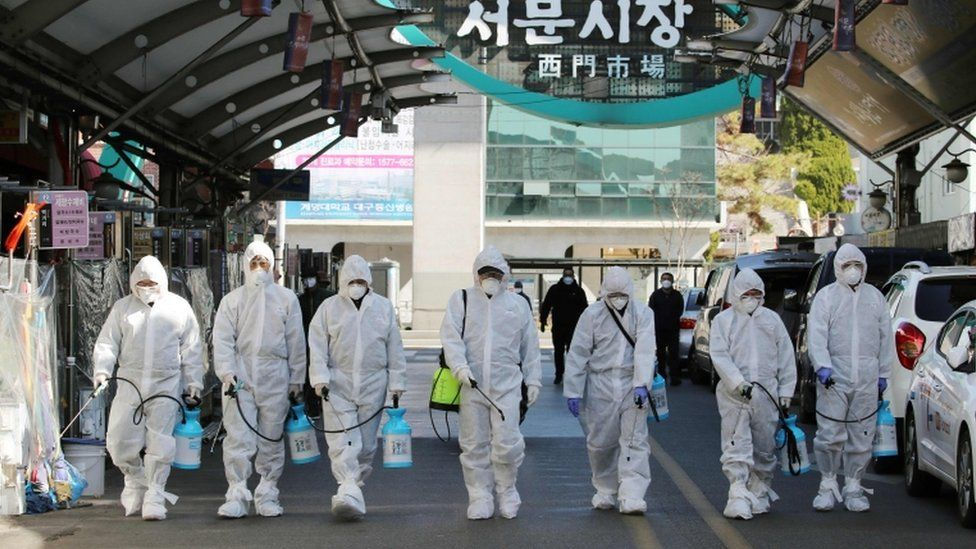
A show of leadership would boost morale among frontline medical personnel and people. For example, when a serious and widespread epidemic of COVID-19 occurred in the Dae-gu region, the South Korean prime minister positioned himself there and coordinated the response to the outbreak. The presence of top leadership near the pandemic's core, as it did in Korea, might promote strong support and response to alleviate additional infection and increase communication between all levels of government.
South Korea's experience emphasizes the importance of breaking the chain of infection in the country by providing proper equipment and gear to hospitals and medical personnel, testing and isolating infected citizens from the general population, and encouraging the practice of wearing masks and proper social distancing. Furthermore, the government has made a concerted effort to foster confidence by being open and shouldering the financial obligations involved with therapy. South Korea has been effective in containing the virus's spread thus far, and their actions may serve as a model for other countries.



Comments